
Basement conversions have become one of the most effective ways to unlock hidden space in UK homes. With property prices continuing to rise and planning constraints limiting outward extensions, homeowners are increasingly looking downwards. A well-designed basement can add valuable living space, improve functionality, and significantly boost property value.
However, basement projects are complex. They involve structural work, waterproofing, building regulations, and careful coordination between multiple professionals. This is why choosing the right basement conversion specialist is critical to the success of your project.
This guide explains everything you need to know before hiring a basement conversion specialist in the UK, from planning and costs to design considerations and common pitfalls—helping you make confident, informed decisions.
Key Takeaways
A basement conversion is a complex project requiring specialist expertise
Hiring an experienced basement conversion specialist reduces risk and improves outcomes
Structural integrity and waterproofing are non-negotiable priorities
Integrating basements with wider renovations, such as london kitchen extensions, can maximise value
Clear planning, realistic budgeting, and professional oversight are essential for success
Understanding Basement Conversions in the UK
A basement conversion involves transforming an existing underground or semi-underground space into a habitable area. This could be an unused cellar, storage area, or part-basement beneath a property.
Basements are commonly converted into:
Additional bedrooms or guest suites
Home offices or studios
Family living rooms or cinemas
Gyms, utility rooms, or playrooms
Self-contained rental units (where permitted)
In urban areas such as London, where outdoor space is limited, basement projects are often combined with london kitchen extensions or full home refurbishments to create a more cohesive layout.

Why Hiring a Basement Conversion Specialist Matters
Basement projects are not the same as standard home renovations. They present unique challenges that require specialist knowledge and experience.
A qualified basement conversion specialist understands:
Ground conditions and structural load paths
Waterproofing systems and drainage solutions
Building Regulations compliance (including fire safety and ventilation)
Party Wall considerations for terraced or semi-detached homes
Sequencing of excavation, underpinning, and structural alterations
Without specialist oversight, basement projects risk delays, structural issues, damp problems, or costly remedial work later.
Key Regulations Governing Basement Conversions
Before any work begins, it is essential to understand the regulatory framework in the UK.
Planning Permission
Not all basement conversions require planning permission, but you may need it if:
You are excavating to create a new basement
The project changes the external appearance of the property
You are in a conservation area or listed building
Local authority rules vary, particularly across London boroughs.
Building Regulations
All basement conversions must comply with Building Regulations, covering:
Structural safety
Fire escape routes
Ceiling heights and natural light
Insulation, ventilation, and energy efficiency
Waterproofing and damp proofing
A basement conversion specialist works closely with structural engineers and Building Control to ensure compliance at every stage.
Structural Considerations You Should Never Overlook
Structural integrity is the backbone of any basement project. This includes:
Underpinning: Strengthening existing foundations to allow deeper excavation
Load redistribution: Supporting the weight of the building above
Temporary works: Ensuring stability during construction
These tasks require detailed calculations and experienced site management. Any specialist you hire should be able to explain how structural risks are assessed and mitigated.
Waterproofing: The Difference Between Success and Failure
Waterproofing is one of the most critical aspects of basement design. Even minor errors can lead to long-term damp issues.
Common waterproofing systems include:
Type A (barrier systems)
Type B (integral waterproof concrete)
Type C (drained cavity systems)
Most UK basement specialists recommend a combination of systems for added protection. Always ask whether the waterproofing design follows BS 8102 standards, which are widely recognised across the industry.
How a Basement Conversion Specialist Adds Design Value
A good basement conversion specialist is not just focused on construction—they also understand design.
Key design considerations include:
Maximising natural light through light wells or glazing
Creating efficient layouts despite limited ceiling heights
Integrating staircases seamlessly with existing floors
Ensuring the space feels connected, not isolated
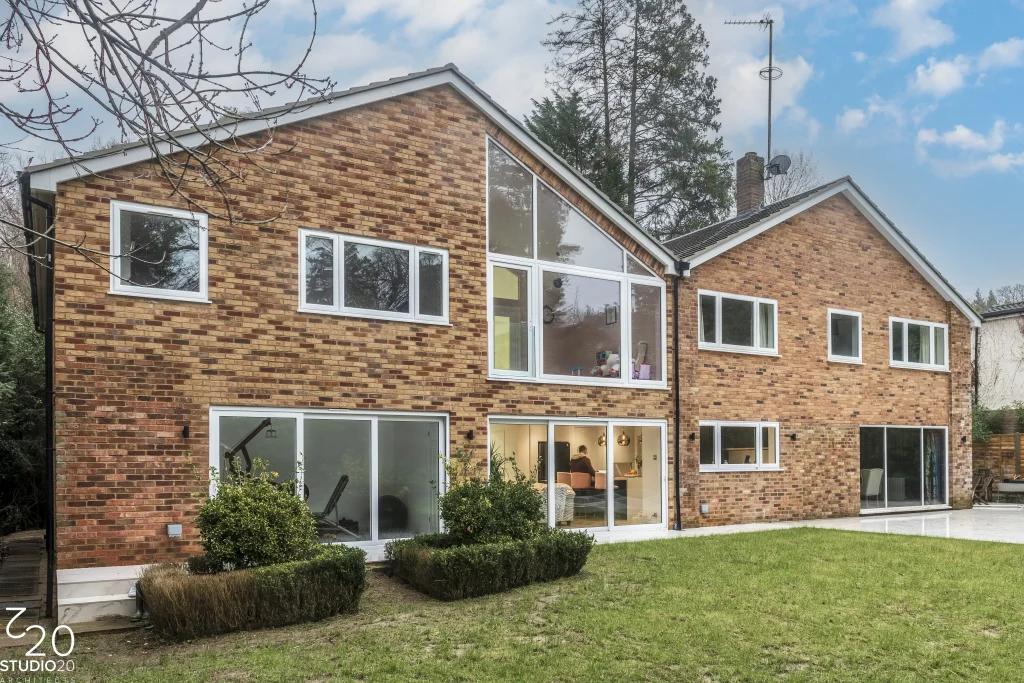
At practices such as Studio20 Architects, basement projects are often designed alongside kitchen or rear extensions, allowing homeowners to reconfigure their entire ground and lower-ground layout for better flow and usability.
Basement Conversion Costs: What to Expect
Costs vary depending on complexity, location, and structural requirements.
Typical UK basement conversion costs include:
Basic cellar conversion: lower cost, minimal excavation
Full basement excavation: higher cost due to underpinning and drainage
High-spec finishes and bespoke design features
Additional factors that influence cost:
Soil conditions
Access constraints
Party Wall agreements
Mechanical and electrical upgrades
A specialist should provide a clear breakdown, helping you understand where your budget is being allocated.
Questions to Ask Before Hiring a Basement Conversion Specialist
Before appointing a specialist, ask the following:
Do you have experience with similar basement projects?
Can you provide examples or case studies?
How do you manage waterproofing and structural risks?
Who will oversee Building Control and inspections?
What warranties or guarantees are provided?
Clear, confident answers are a strong indicator of professionalism and experience.
Combining Basement Conversions with Other Home Improvements
Many homeowners choose to integrate basement work with wider renovations. One popular option is combining a basement conversion with london kitchen extensions, allowing for:
Larger, open-plan kitchens
Better vertical circulation between floors
Improved natural light through double-height spaces
More efficient use of overall property footprint
This integrated approach often delivers better long-term value and a more cohesive living environment.

Common Mistakes Homeowners Make
Even well-intentioned projects can go wrong without the right guidance.
Common mistakes include:
Choosing contractors without basement experience
Underestimating costs or timescales
Ignoring drainage and waterproofing design
Poor communication between designers and builders
Working with an experienced basement conversion specialist reduces these risks significantly.
Long-Term Value of a Professionally Designed Basement
A professionally converted basement can:
Increase property value
Improve energy efficiency
Add flexible living space
Enhance resale appeal
When designed properly, basements are no longer secondary spaces—they become integral parts of the home.
Choosing the Right Professional Team
The most successful basement projects involve close collaboration between:
Architects
Structural engineers
Basement conversion specialists
Building Control officers
Design-led practices like Studio20 Architects focus on aligning technical requirements with lifestyle needs, ensuring the final result is both safe and enjoyable to live in.
Practical Answers Homeowners Often Look For
How long does a basement conversion usually take?
Most projects take between 12 and 24 weeks, depending on complexity and approvals.
Will a basement conversion disrupt daily life?
Yes, especially during excavation. Many homeowners plan temporary arrangements during early stages.
Can every property have a basement?
Not always. Ground conditions, planning restrictions, and structural limitations must be assessed first.
Is a basement conversion worth the investment?
When done properly, it can offer one of the highest space-to-value returns among home improvements.
Thinking About a Basement Conversion?
If you are considering a basement project, early advice from experienced professionals can save time, money, and stress. Design-focused practices such as Studio20 Architects help homeowners navigate technical requirements while creating spaces that genuinely improve how a home works.
Taking the time to choose the right basement conversion specialist is the first—and most important—step towards a successful outcome.




Write a comment ...