
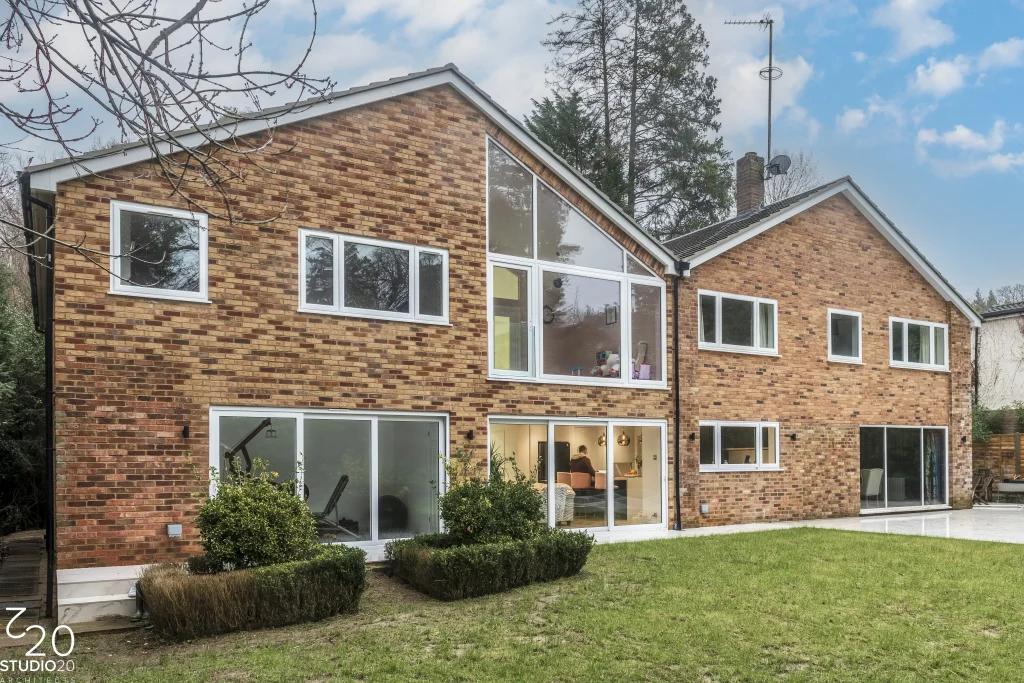
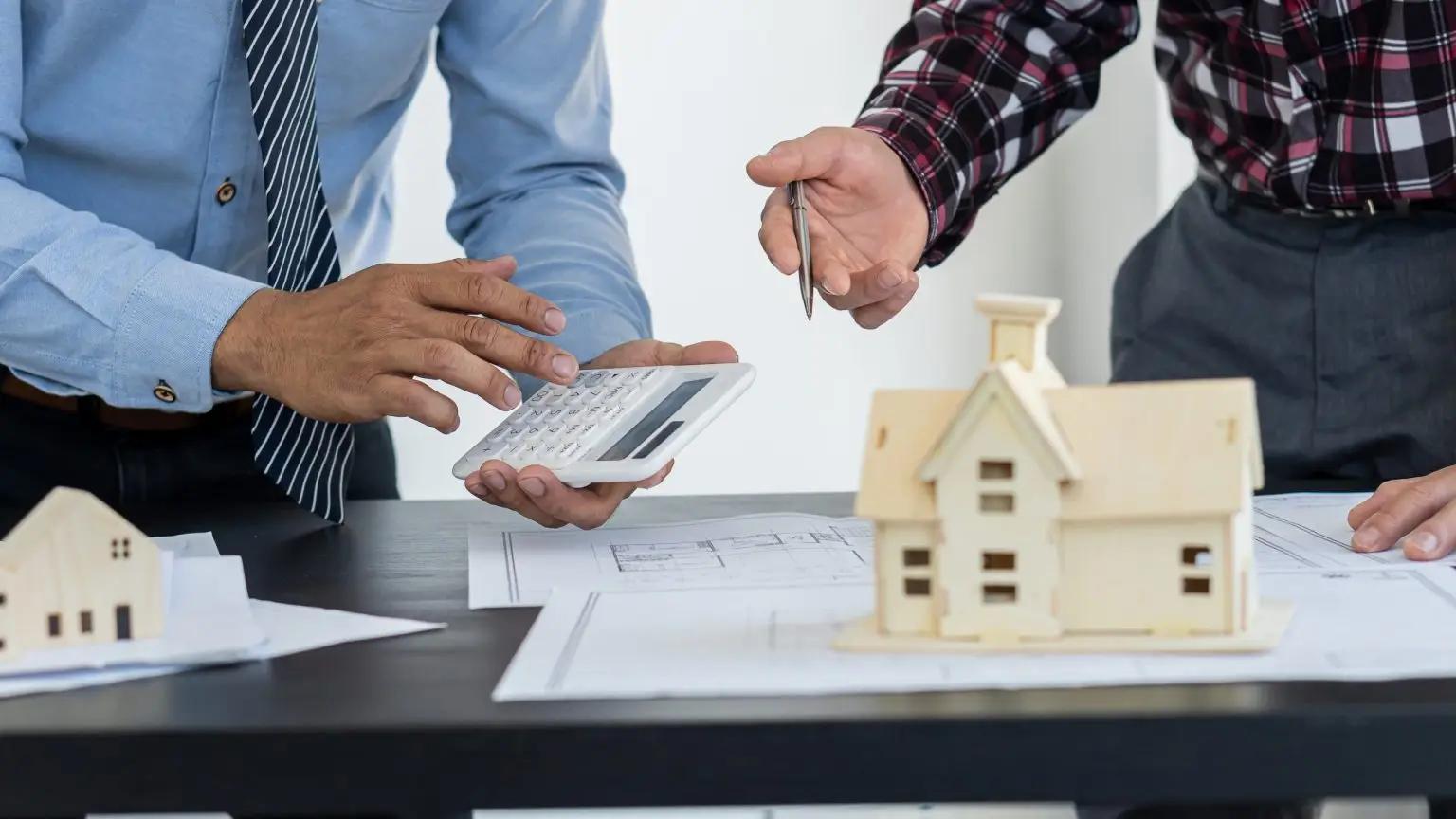
Planning a home extension is an exciting step, but one of the most common questions homeowners ask is how much it will cost and what actually drives those costs. If you’re researching the double storey side extension cost, it’s important to understand that no two projects are exactly the same. Several factors influence the final price, from design complexity to construction materials.
At Studio20 Architects, an experienced Architect London UK, we help homeowners make informed decisions by breaking down these cost factors clearly and simply.
1. Size and Layout of the Extension
The overall size of your extension is one of the biggest cost drivers. A larger footprint naturally requires more materials, labour, and time. Additionally, the internal layout such as adding multiple rooms, bathrooms, or open-plan spaces can also increase costs due to plumbing, electrical, and structural requirements.
2. Design Complexity
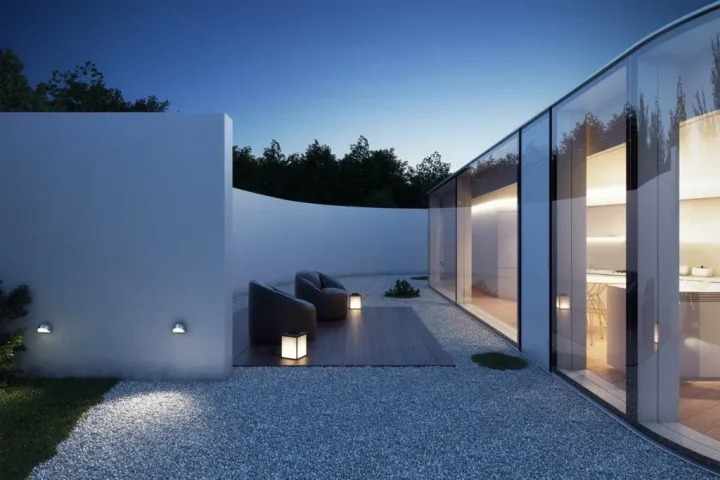
A simple rectangular design is usually more cost-effective than a complex structure with unique shapes, large glass panels, or bespoke features. Custom architectural elements can elevate your home’s look but will also impact the budget. Working with a professional like Studio20 Architects ensures you balance creativity with cost efficiency.
3. Planning Permission and Regulations
In many cases, you will need approval from local authorities before construction begins. Meeting building regulations, especially in urban areas, may involve additional reports, surveys, or modifications to your design. These steps are essential but can add to the overall cost.
4. Quality of Materials
Material choices significantly affect your budget. High-end finishes, premium flooring, and energy-efficient windows will cost more upfront but can increase long-term value and reduce maintenance costs. When calculating your double storey side extension cost, it’s important to weigh initial investment against future benefits.
5. Labour and Construction Costs
Labour costs vary depending on the expertise required and the complexity of the build. Skilled tradespeople, such as electricians, plumbers, and structural engineers, are essential for a safe and durable extension. Choosing experienced professionals ensures quality workmanship and fewer costly issues later.
6. Structural Changes and Foundations
If your extension requires significant groundwork, such as new foundations or structural reinforcements, costs will rise. Properties with challenging ground conditions or older structures may need additional work to ensure stability and safety.
7. Location and Site Conditions
Your property’s location can influence costs due to accessibility, transportation of materials, and local labour rates. Tight spaces or limited access may require specialised equipment or additional labour, increasing the overall expense.
8. Interior Finishes and Fixtures
The final look of your extension—kitchens, bathrooms, lighting, and décor can vary widely in cost. High-quality finishes will enhance comfort and aesthetics but should be planned carefully within your budget.
Bringing Your Extension Plans Together
Understanding what impacts the cost of building a two-storey extension helps you plan realistically and avoid unexpected expenses. From design and materials to labour and regulations, every detail plays a role in shaping your final budget.
Working with a trusted firm like Studio20 Architects, a leading Architect London UK, ensures your project is designed efficiently, meets all requirements, and delivers long-term value. Whether you’re just exploring ideas or ready to start, expert guidance can make all the difference in managing your double storey side extension cost effectively.

Write a comment ...